
Specialty Contact Lenses in Memphis
Custom lenses for eyes that regular contacts and glasses can’t fix. Dr. Seth Salley fits scleral lenses, EyePrintPRO®, and ortho-k, and offers keratoconus care and myopia management at our East Memphis office.
or call 901-821-8337
Why choose us?
- Accepting New Patients & Most Insurance Plans
- Experienced Optometrists with Specialized Training
- Convenient Memphis Location
What Are Specialty Contact Lenses?
Specialty contact lenses are custom-designed lenses for eyes that standard soft contacts and glasses can’t correct well. Each lens is made to the shape and measurements of your eyes. That can mean clearer vision with an irregular cornea, more comfort with severe dry eye, or clear daytime vision without glasses for kids and adults who are nearsighted.
At Clearview Family Eyecare, Dr. Seth Salley fits scleral lenses, EyePrintPRO® lenses, and orthokeratology (ortho-k) lenses, and offers myopia management for children. If you’ve been told you “can’t wear contacts,” a specialty fitting is often the next step.
Specialty Lenses We Fit

Large, custom lenses that vault over the cornea and rest on the white of the eye. A strong option for keratoconus, severe dry eye, and eyes that have had LASIK, RK, or a corneal transplant.
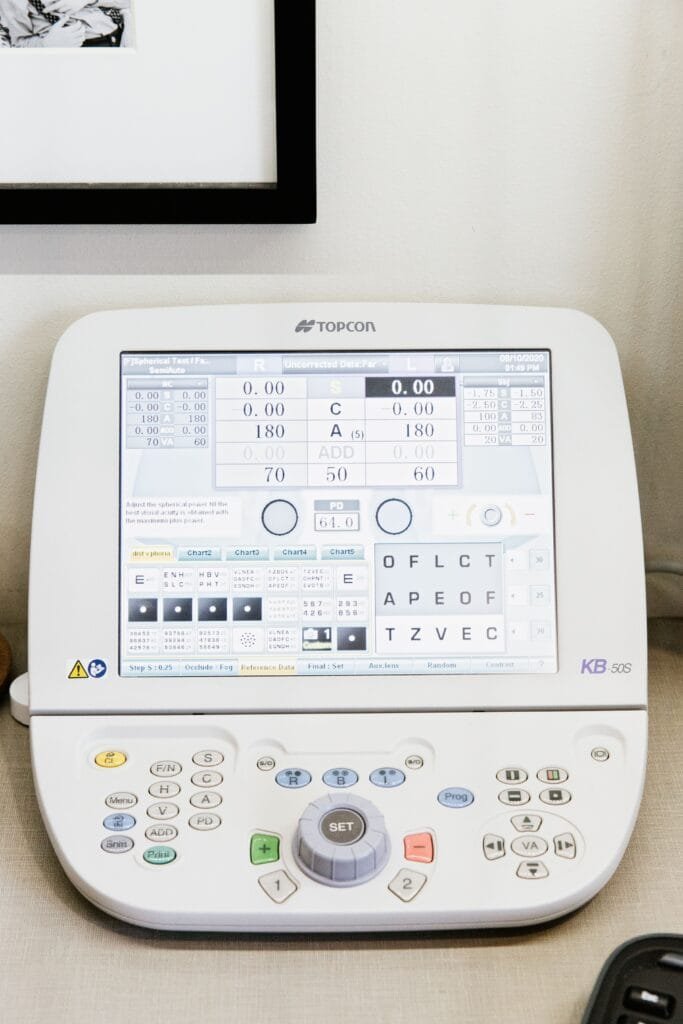

Corneal mapping to diagnose and monitor keratoconus, plus specialty lenses for clearer, more comfortable vision.
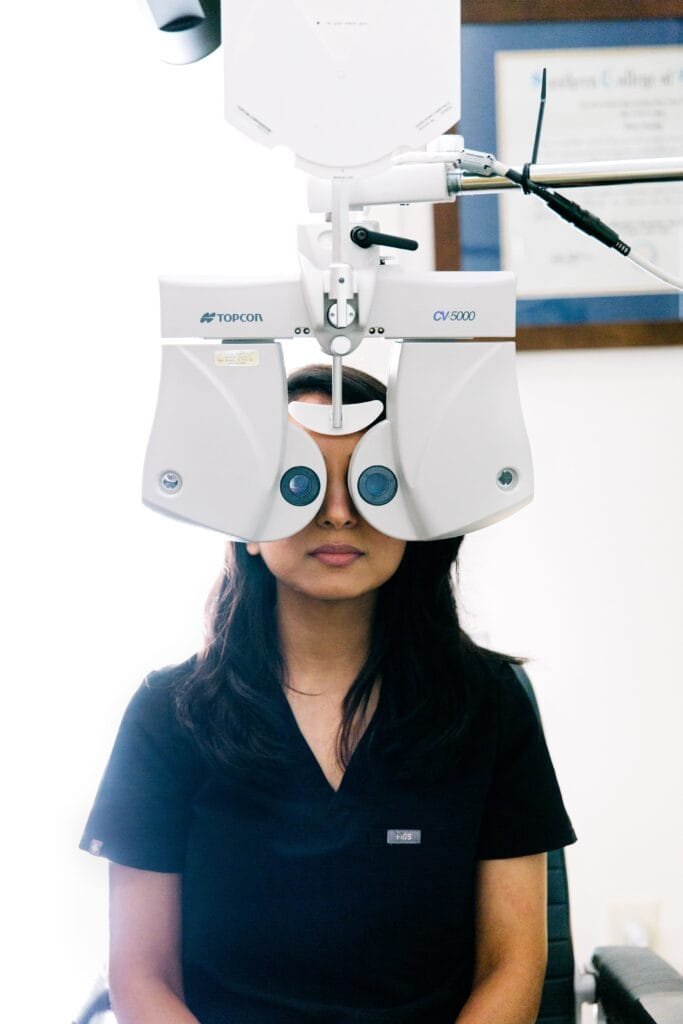
Options to help slow nearsightedness in children, including ortho-k, myopia control glasses, soft multifocal contacts, and low-dose atropine.
Who Can Benefit From Specialty Lenses?
- Keratoconus or another irregular cornea
- Severe or chronic dry eye
- Eyes that have had LASIK, RK, or a corneal transplant
- High astigmatism or a prescription that’s hard to fit
- People who’ve been told they “can’t wear contacts”
- Children whose nearsightedness keeps getting worse
- Kids, teens, and adults who want clear vision without daytime glasses or contacts
Request a Specialty Lens Consultation
If regular contacts haven’t worked for you, or you’ve been told you’re not a candidate for contacts, a specialty lens fitting may be the answer.
or call 901-821-8337
How a Specialty Lens Fitting Works
Specialty lenses are designed for your eyes, so a fitting takes a few visits instead of one. Here’s what to expect.
Consultation and eye exam
We check your eye health, review your vision history and what hasn’t worked for you before, and talk through which lens types fit your eyes and goals.
Detailed measurements
We map the shape of your cornea and take precise measurements so your lenses can be designed around your eyes. Some scleral patients also get an EyePrintPRO® impression.
Custom lens design and trial
Your lenses are designed from those measurements. At your trial visit, we check the fit, comfort, and how well you see.
Insertion, removal, and care training
We teach you how to put your lenses in, take them out, and clean them, step by step, until you feel confident doing it on your own.
Follow-up visits
We check your vision, lens fit, and eye health at follow-up visits and fine-tune your lenses if needed.
Is your child at risk for nearsightedness?
Answer 7 quick questions and see your child’s risk factors in about two minutes.
Specialty Contact Lens Cost and Insurance
The cost of specialty contact lenses depends on which lens you need and how complex your eyes are. A specialty fitting typically includes the exam, measurements, lens design, trial lenses, training, and follow-up visits. We’ll go over exactly what’s included and what it costs at your consultation.
- Insurance: many vision plans include a benefit for medically necessary contact lenses, and some medical plans help cover them for conditions like keratoconus. Ortho-k and myopia management usually aren’t covered by medical insurance, but some vision plans apply a contact lens allowance. Our team can check your benefits.
- HSA and FSA: these funds can usually be used for specialty contact lenses.
Specialty Contact Lens FAQs
What are specialty contact lenses?
Specialty contact lenses are custom lenses for eyes that standard soft contacts or glasses can’t correct well. They include scleral lenses, EyePrintPRO® lenses, and orthokeratology (ortho-k) lenses, and each one is designed around the measurements of your eyes.
How do I know if I need specialty contact lenses?
You may be a candidate if regular contacts are uncomfortable, blurry, or won’t stay in place, or if you have keratoconus, severe dry eye, or a past eye surgery like LASIK or a corneal transplant. Parents of nearsighted children whose prescription keeps going up should ask about ortho-k and myopia management. An eye exam is the best way to find out.
Are specialty contact lenses comfortable?
Most patients adjust well. Scleral lenses rest on the white of the eye, which is less sensitive, and don’t touch the cornea. Ortho-k lenses are worn while you sleep, so your eyes are closed while the lenses work. There’s a short learning period, and we teach you step by step.
How long does a specialty lens fitting take?
A fitting takes several visits: an exam and measurements, lens design, a trial visit to check the fit and teach lens care, and follow-up visits. Most patients are wearing their final lenses within a few weeks, depending on how many adjustments their eyes need.
Does insurance cover specialty contact lenses?
It depends on your plan and the reason you need them. Many vision plans include a benefit for medically necessary contact lenses, and some medical plans help cover them for conditions like keratoconus. Ortho-k and myopia management usually aren’t covered by medical insurance. Our team can check your benefits, and HSA and FSA funds can usually be used.
Can children wear specialty contact lenses?
Yes. Ortho-k and other myopia management options are made for kids whose nearsightedness is getting worse. There’s no set minimum age. Many children do well once they can handle lenses with a parent’s help, and we’ll check whether your child is ready at the consultation.
I don’t live in Memphis. Can I still be fitted at Clearview?
Yes. You don’t need to live in Memphis to be fitted here. Since a specialty fitting takes several visits, plan for follow-up appointments at our East Memphis office, and we’ll help you schedule them.
What should I bring to my first visit?
Bring your current glasses, your contact lenses or their boxes, your insurance cards, a list of your medications, and any records from past eye surgeries or other eye doctors.
Book Your Eye Exam
Find the Best Solution for Your Vision